Drive Thru Systems in 2026: How to Boost Lane Speed and Order Accuracy
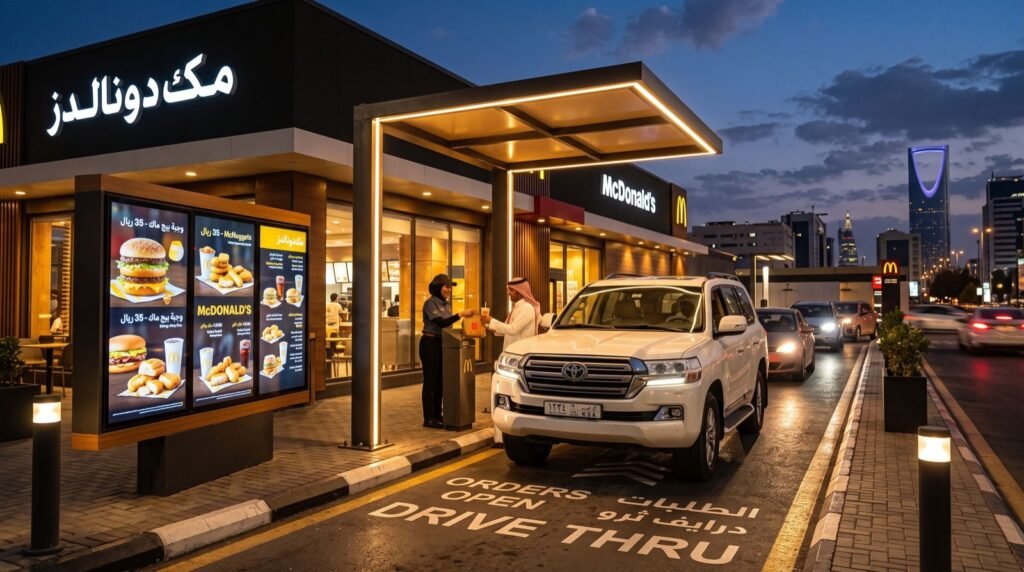
Every second in a drive-thru lane counts. When cars stack up, orders get rushed, mistakes climb, and customers drift to the competitor across the street. Modern Drive Thru Systems fix this by combining clear audio, order-confirmation screens, and lane timers into one coordinated flow.
This 2026 guide explains how drive-thru technology works, which features matter most, and how it pairs with indoor queue management to keep both channels fast. Whether you run a single restaurant or a growing chain, the goal is simple: more cars served per hour with fewer errors.
Why Drive Thru Systems Define Restaurant Profit
For many quick-service restaurants, the drive-thru generates the majority of daily revenue. That makes lane speed a direct profit lever. Shave a few seconds per car and you serve more customers during the same busy rush without adding staff.
Accuracy matters just as much as speed. A wrong order means a remake, a refund, or a lost customer. Modern systems attack both problems together, using confirmation screens to catch errors before food is even prepared.
The Real Cost of a Slow Lane
A slow lane does more than annoy drivers. It causes vehicles to leave before ordering, drags down peak-hour revenue, and generates poor reviews. Fixing the bottleneck often delivers a faster payback than almost any other restaurant investment.
Core Features of Modern Drive Thru Systems
Not all setups are equal. When you evaluate technology, focus on the features that directly move speed and accuracy metrics.
- Clear headset audio: Noise-cancelling communication so staff hear every order correctly.
- Order-confirmation screens: Displays that let customers verify their order before paying.
- Lane timers: Tracking exactly how long each station takes to spot bottlenecks.
- Digital menu boards: Bright, easy-to-read menus that reduce hesitation.
- Dual-lane support: Handling two ordering lanes that merge smoothly.
Restaurants that want a fully integrated setup often partner with a specialist. A dedicated provider of Drive Thru Systems can align audio, screens, and timers into one platform so managers see the whole lane at a glance.
How Drive Thru Pairs With Indoor Queue Management
Most restaurants serve two crowds at once: cars outside and customers inside. When these channels compete for the same kitchen, timing falls apart. Integrating both under one system keeps them balanced.
In busy cities, this pairing pays off fast. A reliable queue management system in lahore can coordinate indoor ticketing with drive-thru timing, giving managers a single view of total demand. Staff then shift between counter and lane as traffic changes through the day.
What Makes the Two Systems Work Together?
A shared dashboard is the key. When indoor waits and lane times appear side by side, managers spot which channel is overloaded and move staff accordingly. That flexibility prevents the classic problem of a jammed lane while the counter sits idle.
Comparing Drive Thru Configurations
The right setup depends on your traffic and site layout. This table maps common configurations to restaurant types.
| Restaurant Type | Recommended Setup | Main Benefit |
|---|---|---|
| Small cafe | Single lane + confirmation screen | Fewer order errors |
| Busy QSR | Lane timers + digital menu | Faster peak-hour throughput |
| High-volume chain | Dual lane + integrated queue | Balanced indoor and drive flow |
| Pharmacy drive-thru | Audio + order verification | Accurate, safe fulfillment |
Steps to Optimize Your Drive Thru Lane
Technology alone will not fix a slow lane. Combine the right tools with a clear process using these steps.
- Measure your baseline: Record current cars-per-hour and average lane time.
- Install confirmation screens: Cut errors by letting customers verify orders.
- Add lane timers: Identify which station causes the biggest delay.
- Streamline the menu: Reduce choices at the board to speed decisions.
- Staff to peaks: Add a dedicated order-taker during your busiest hour.
A proven tip from real kitchens: position a “line buster” with a handheld device during peak rush to take orders further back in the queue. This overlaps ordering with cooking and dramatically raises cars served per hour.
When choosing an installer, pick trusted professionals who handle audio, screens, timers, and queue integration as one project rather than leaving you to coordinate several vendors.
Measuring the Return on Drive Thru Technology
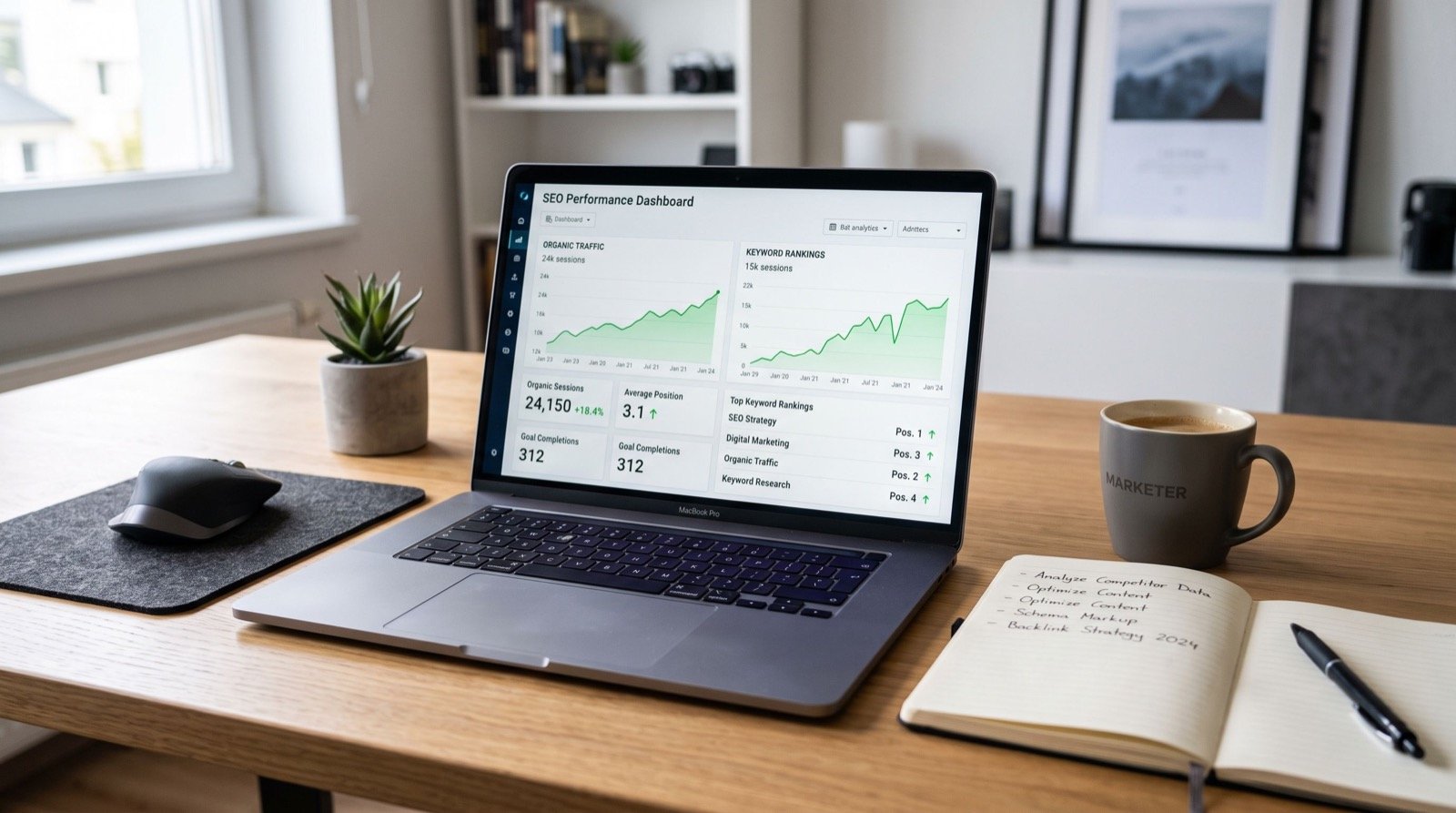
The best reason to invest is measurable improvement. Track cars per hour, average lane time, order accuracy, and drive-off rate. When these numbers move in the right direction, your revenue follows.
Industry research from the QSR industry press consistently shows that speed of service ranks among the top drivers of drive-thru customer loyalty. Faster, more accurate lanes bring customers back more often, which compounds over time.
Set a clear target for each metric and review it against your baseline every week. When you can point to a specific number, such as ten more cars served during the dinner rush, the whole team stays motivated and the investment proves its worth quickly.
Frequently Asked Questions
How much faster are modern drive thru systems?
Results vary by site, but restaurants that add confirmation screens, lane timers, and better audio commonly shave meaningful seconds off average service time. Combined with a line buster at peak hours, many locations serve noticeably more cars per hour.
Can drive thru systems connect to indoor queuing?
Yes. Integrated platforms show drive-thru lane times and indoor waits on one dashboard. Managers use that combined view to move staff between the counter and the lane as demand shifts, keeping both channels balanced.
Do confirmation screens really reduce errors?
They do. When customers see their order on a screen before paying, they catch mistakes early. Fixing an error at the speaker post is far cheaper and faster than remaking food after it reaches the window.
What is the fastest way to improve lane speed?
Adding a dedicated order-taker or a handheld line buster during peak hours usually delivers the biggest immediate gain. It overlaps ordering with food preparation, so cars keep moving instead of waiting behind a single ordering point.
Conclusion
Modern Drive Thru Systems turn a slow, error-prone lane into a fast, accurate revenue engine. Paired with smart indoor queue management, they balance both channels so no customer waits longer than needed. If your lane is costing you sales in 2026, upgrade the audio, screens, and timers, integrate them with your queuing setup, and watch your cars-per-hour and customer loyalty climb.